
The Jewelia blog
Notes from the bench, the floor
and the memo book
Sourced comparisons and practical operating advice for jewelry retailers, wholesalers, manufacturers and repair benches. No fluff, no unsourced vendor claims, and every number linked to where it came from.

Software & buying guides
Sourced comparisons of jewelry store software, POS systems, inventory tools and manufacturing ERP — deployment, published pricing and who each one is really for.
A Store Owner's Guide to Jewelry Software (2026)
A practical jewelry store owner software guide for 2026 — what capabilities matter, how to choose, and how to avoid overbuying.
Read
The 2026 Jewelry Software Buying Guide
A practical jewelry software buying guide for 2026: how to compare POS, ERP, CRM and all-in-one tools and choose what fits your business.
Read
Jewelry Industry Software Compared (2026 Guide)
A fair jewelry industry software comparison of ERP, POS, CRM and all-in-one platforms — how each category works and which fits your business.
Read
What Jewelry Wholesalers Need From Software (2026)
A clear look at jewelry wholesaler software needs in 2026 — memo, consignment, valuation, and the supply-chain coordination generic tools miss.
Read
How to Read Jewelry Software Reviews in 2026
What to look for in jewelry software reviews — and what to ignore. A practical guide to reading reviews and choosing the right platform in 2026.
Read
The Jewelry Manufacturer's Technology Guide (2026)
A practical jewelry manufacturer technology guide for 2026 — production workflow, costing, valuation, and coordinating with the supply chain.
Read
Jewelry ERP vs POS: Which Does Your Business Actually Need?
Confused between a jewelry ERP and a POS system? Here's a clear, honest breakdown of what each does and how to choose.
Read
JewelMate vs The Edge: A Practical Comparison
JewelMate vs The Edge compared fairly for jewelers — manufacturing/ERP vs retail POS, how to choose, and a modern all-in-one alternative.
Read
Jewelry manufacturing ERP software: why generic ERP breaks at the bench
Metal loss, spot-priced raw material, allocated certified stones, outwork and hallmarking — the five things jewelry manufacturing needs that standard ERP handles badly, and how PIRO, Luxare, NetSuite, Odoo and MRPeasy actually compare. Sourced throughout.
Read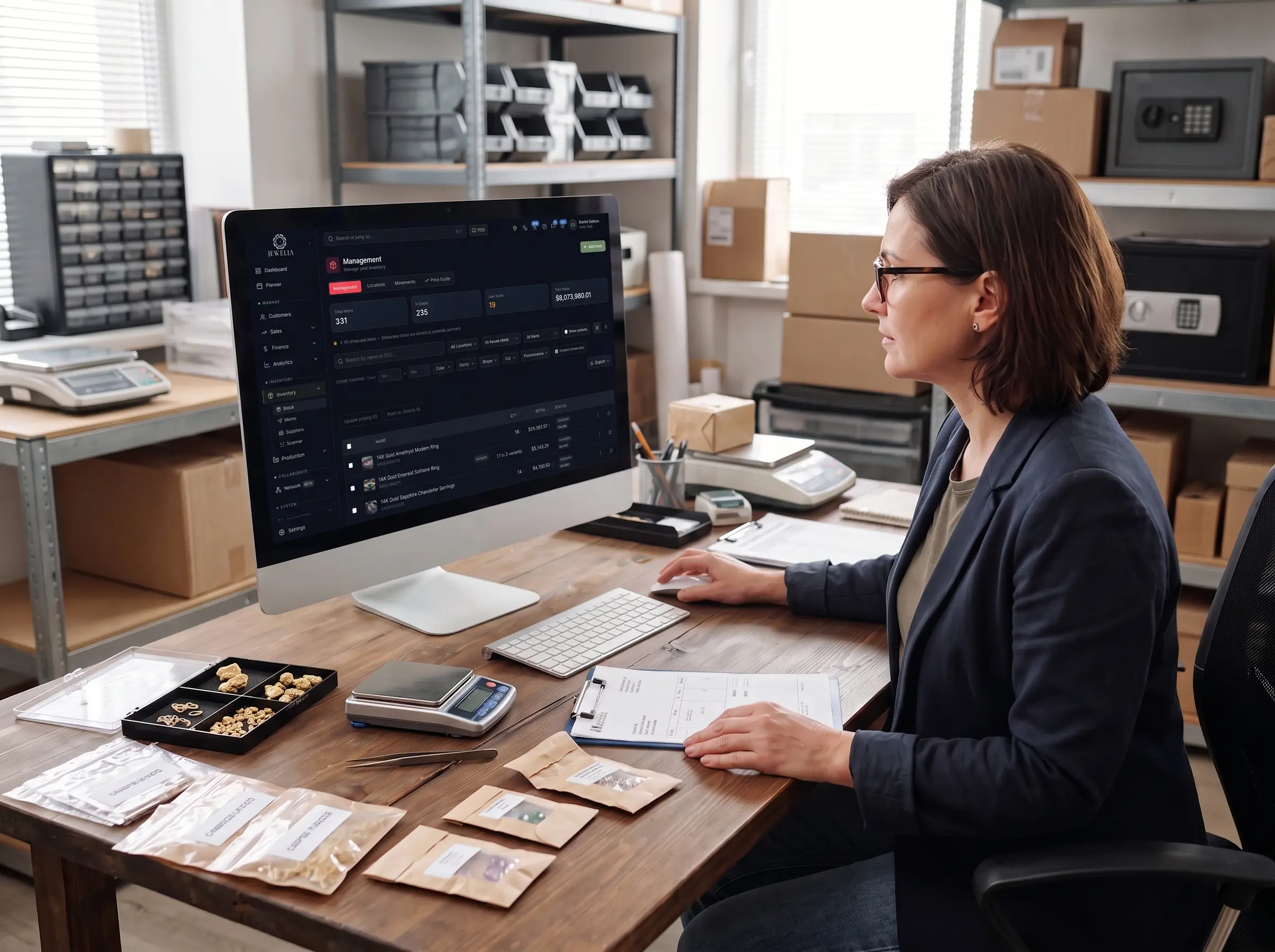
Jewelry inventory software in 2026: why generic inventory tools don't fit
Sortly, SalesBinder, Craftybase, Orderry, Valigara and Gem Logic compared against jewelry-native systems — certificates, 4Cs, metal weight, memo, serialization and costing. Every claim linked to its source.
Read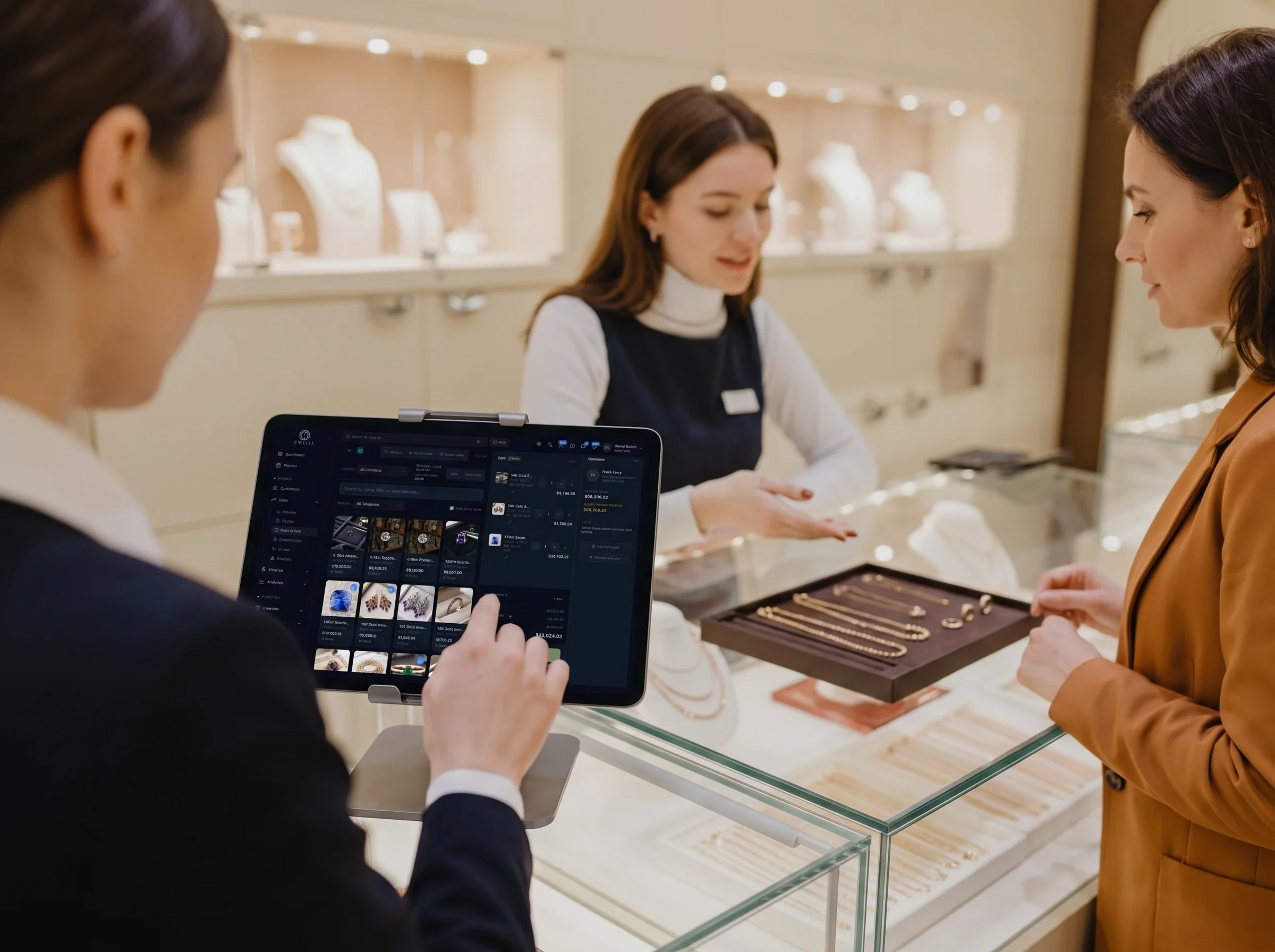
Best jewelry POS system in 2026: 10 options compared, with sources
A sourced comparison of jewelry POS systems — The Edge, Jewel360, CaratIQ, WJewel, PIRO, Luxe, JewelMate, Luxare, Lightspeed and Shopify POS. Deployment, published pricing, trials, repairs, memo and independent review counts, every claim linked.
Read
Best jewelry store software in 2026: an honest, sourced comparison
The Edge, Jewel360, CaratIQ, WJewel, PIRO, Luxe, Clarity, Flawless, Swim, Jewelry Shopkeeper and Jewelia — deployment, public pricing, trials, review counts and who each one is really for. Every claim linked to its source.
Read
Leaving The Edge: a migration checklist for jewelry retailers
What to export, what to clean, how to run the old and new systems in parallel, and the three things that go wrong when stores move off on-premise jewelry software.
ReadProduction, orders & repairs
Custom order workflow, job tracking, repair benches and the hand-offs between stages where most missed dates are actually decided.
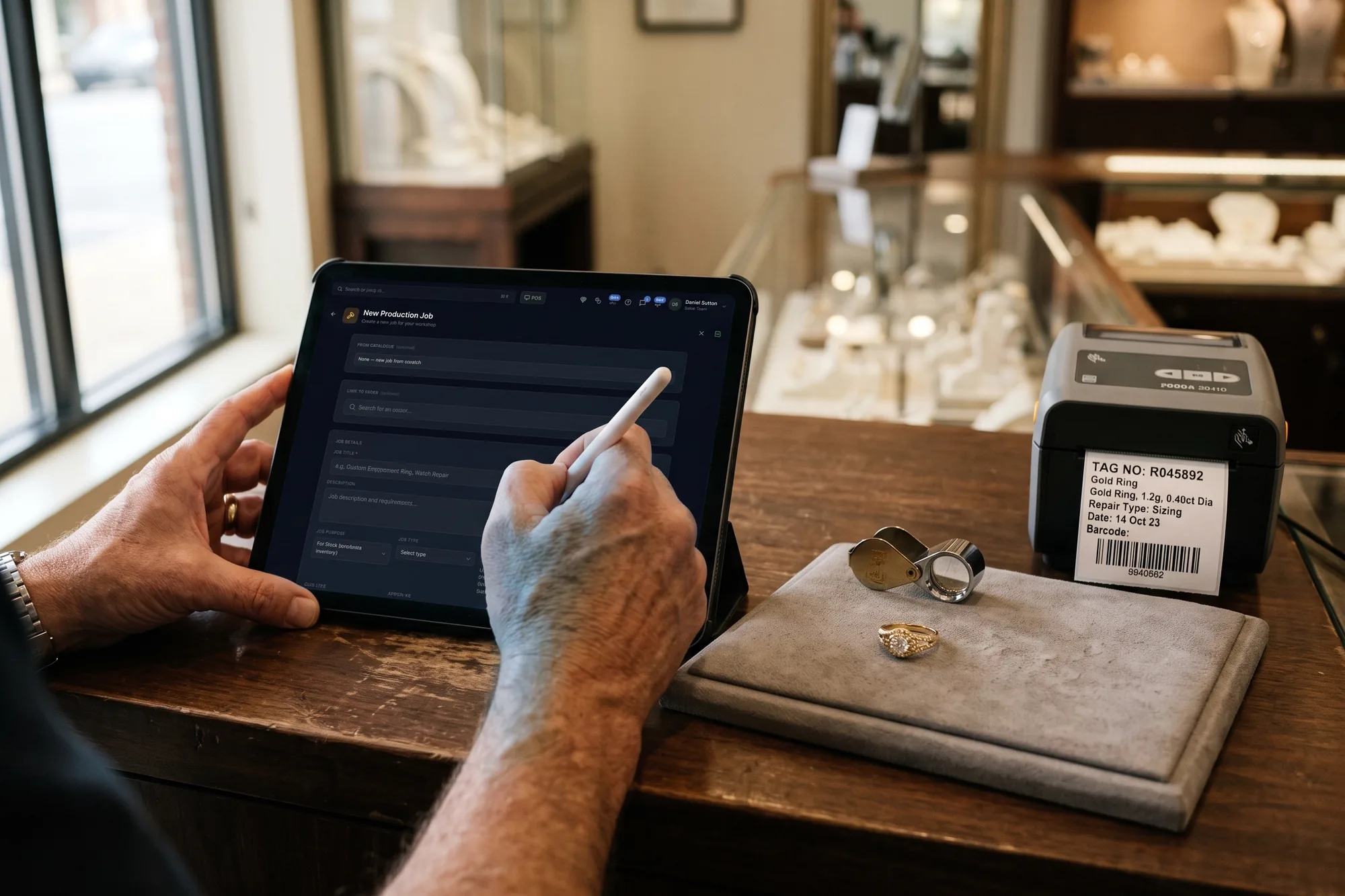
How to Quote Custom Jewelry Faster (and Get the Deposit)
A practical way to quote custom jewelry faster: capture the budget and spec up front, price from your own price book, and take a deposit while the customer is still excited.
Read
Where your gold actually goes: metal loss in a working shop
Filings, buffing dust, floor sweeps and sink traps — what each one is worth, why nobody publishes a per-stage loss table, and how to measure your own loss rate instead of guessing at an industry figure that doesn't exist.
Read
Refining, honestly: what the fees really are and how to compare refiners
Published fee schedules, settlement times by material type, what an advertised payout percentage hides, and the four questions the trade says to ask before you ship a lot.
Read
Promise dates: how to set a repair turnaround and actually hit it
Why 'about a week' costs you more than a longer honest date, how to build a promise date backwards from the outside bench, and the batching and buffer habits that turn turnaround from a hope into a number.
Read
Pricing repairs so the bench actually pays
Per-job pricing versus hourly, the shop rate the trade recommends, why a bench should produce $185,000 to $250,000 a year, and the reason repair customers are far less price-sensitive than jewelers assume.
Read
How to cost a piece of jewelry without guessing
A worked build-up from metal at today's price through stones, bench hours, outwork and overhead — with the trade's published premiums, hourly rates and keystone conventions, and the reason a big move in gold changes retail less than you'd think.
Read
The Hidden Cost of Running Your Jewelry Business on WhatsApp
WhatsApp is quick, but it's quietly costing your jewelry business orders and hours. Here's what breaks — and how to fix it.
Read
How to Reduce Jewelry Production Delays
Practical ways to reduce jewelry production delays: pinpoint bottlenecks, tighten handoffs, and keep custom orders moving from bench to delivery.
Read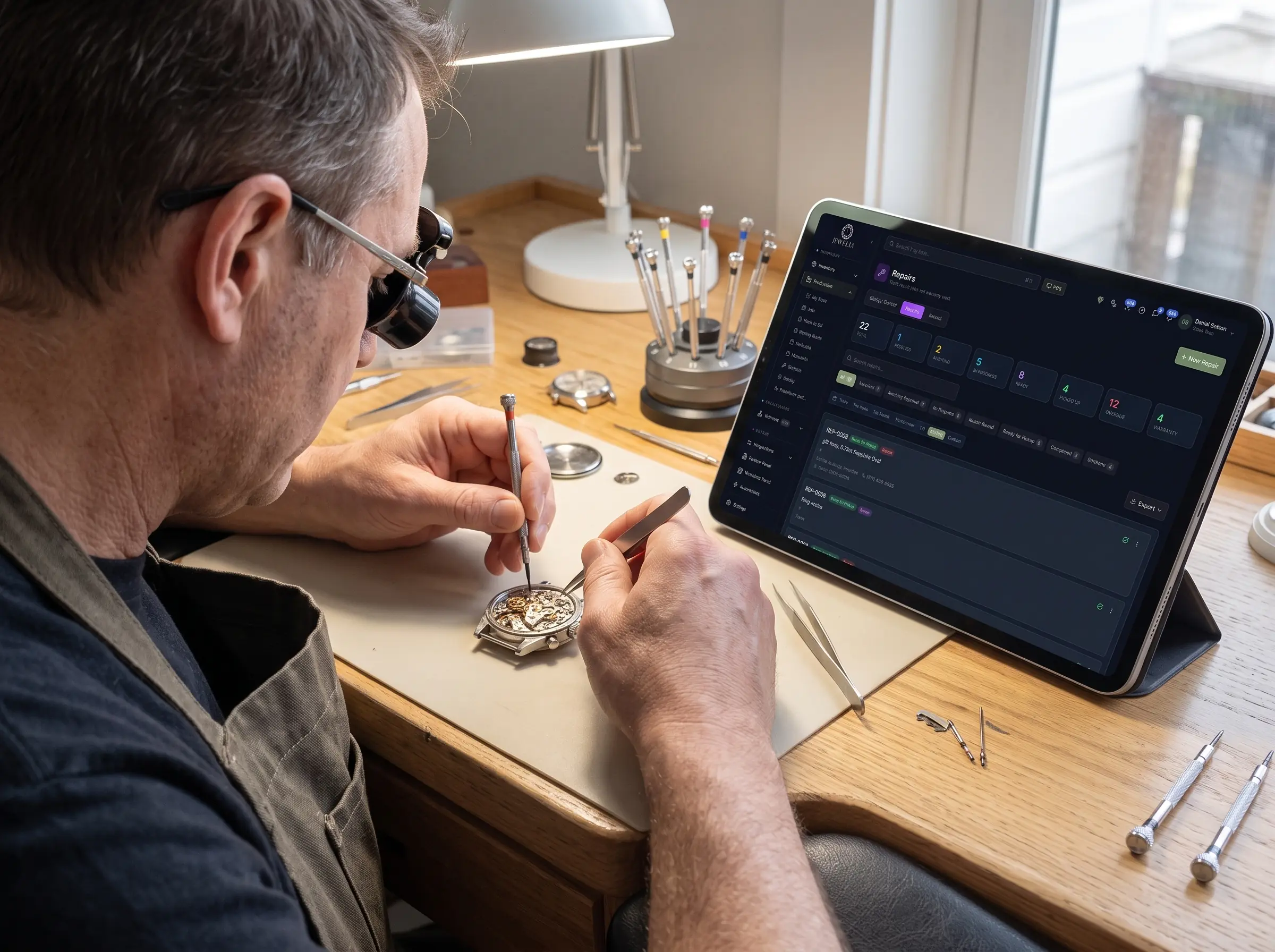
The Jewelry Repair Shop Software Guide
A jewelry repair shop software guide: what to look for, must-have features, and how to choose a system that keeps every repair moving on time.
Read
Jewelry Production Coordination Best Practices
Jewelry production coordination best practices for aligning benches, suppliers, and outside vendors so every piece flows from design to delivery on time.
ReadJewelry Order Tracking: Best Practices
Jewelry order tracking best practices to keep every custom order and repair moving — no dropped balls, no status archaeology, no anxious client calls.
Read
Build a Jewelry Custom Order Workflow That Holds
Design a jewelry custom order workflow that doesn't fall apart: clear stages, clean handoffs, and one source of truth from quote to pickup.
ReadMemo & consignment
Goods that leave your safe and stay your asset: terms, aging, partial returns, sold-with-price and the shared ledger that ends most disputes.
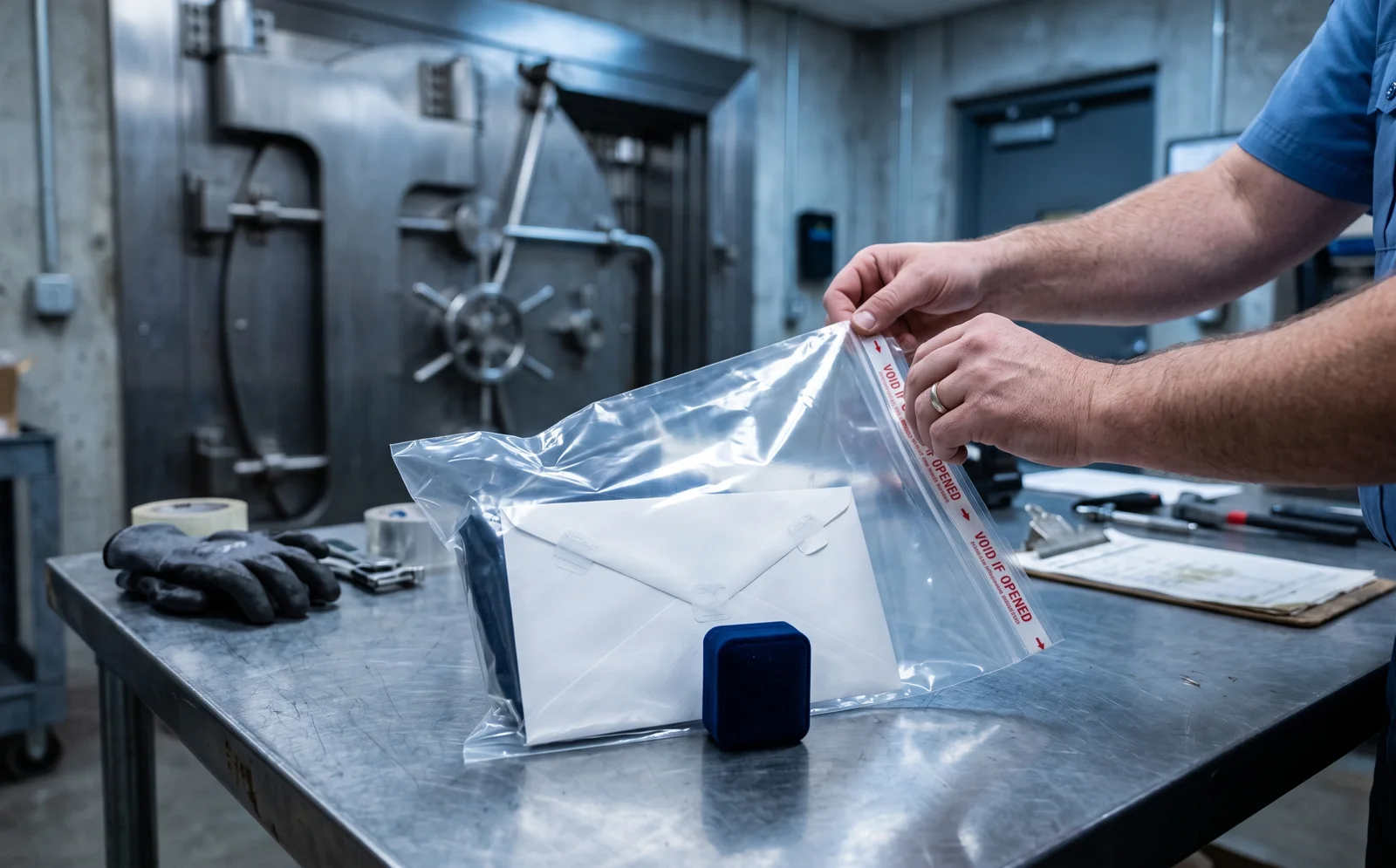
Memo in vs memo out: two sides of the same parcel, two different risks
Goods you send out on memo are an asset at risk. Goods you hold on memo are a liability in your case. What changes between the two, who insures what, and why most businesses run one side well and the other on memory.
Read
Memo aging: running 30/60/90 on goods that aren't yours
How to age memo and consignment by counterparty, why the clock matters more than the balance, what a weekly aging routine looks like, and the point at which an aged memo stops being a sales opportunity and becomes credit exposure.
Read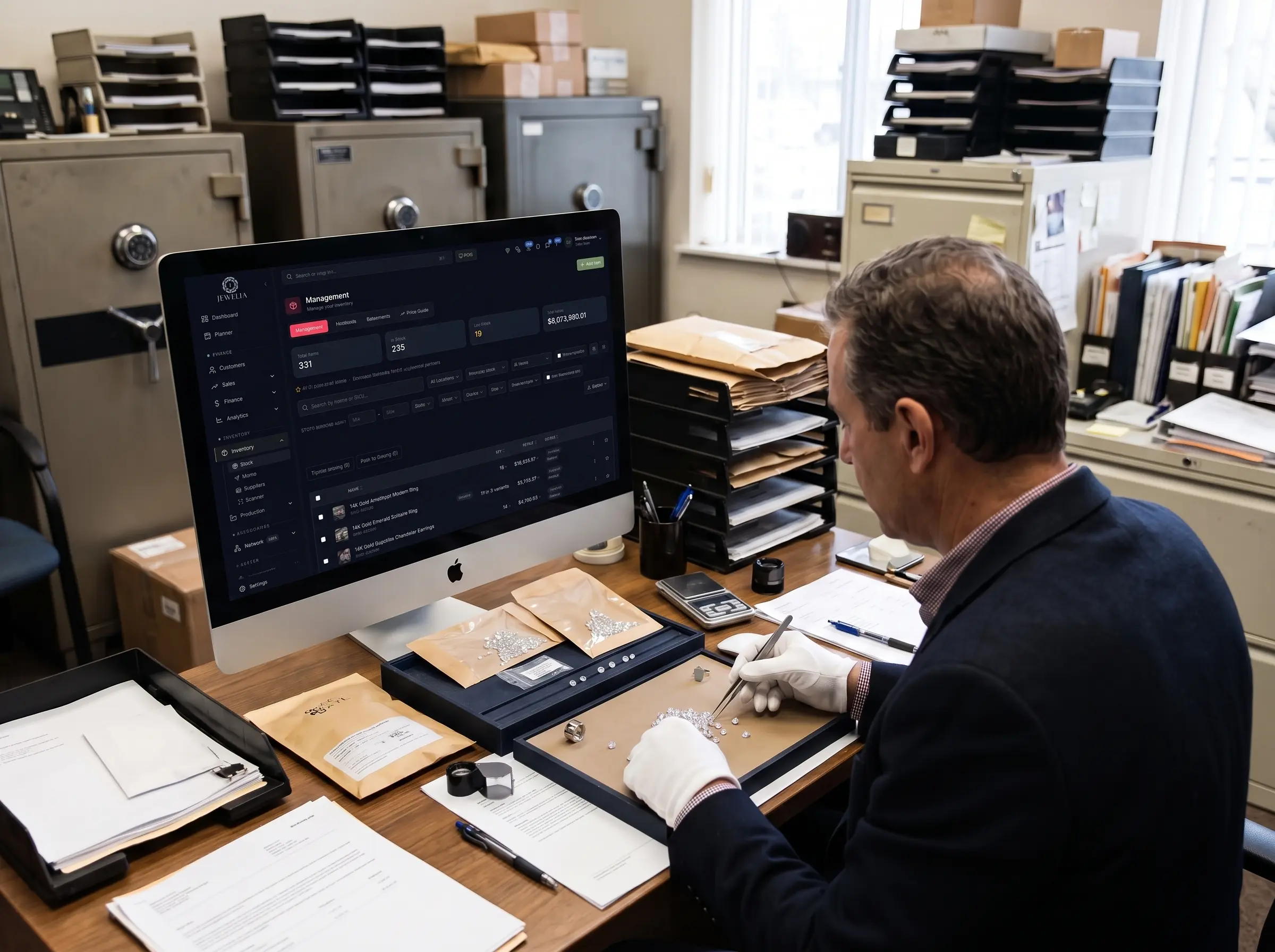
Your memo says the goods are yours. The UCC may disagree.
Memo is a consignment under UCC Article 9, which means a signed memo alone does not protect you from your customer's creditors. What a UCC-1 filing does, why suppliers avoid filing, and what happens when a retailer goes under.
Read
What belongs in a jewelry memo agreement (and what usually doesn't)
The clauses a memo or consignment agreement needs — title retention, payment terms, insurance and loss payee, return conditions, identification and reconciliation — drawn from Jewelers Vigilance Committee guidance and the cases where the wording decided who lost.
Read
Is consigned jewelry your inventory? What memo does to your stock value
Goods on memo sit in your case but not on your balance sheet. How ASC 606 treats consignment, when revenue is recognised, and why counting memo goods as stock quietly breaks your turn, your GMROI and your borrowing base.
Read
Jewelry Consignment Management, Simplified
Jewelry consignment management without the spreadsheet chaos: track memo and consigned pieces, values, and locations with confidence and clean reconciliation.
Read
How to track jewelry memo (consignment) without losing goods or friends
A practical system for memo out and memo in: what to record, how to age it, how to reconcile partial returns and sold-with-price, and why a shared ledger ends most disputes.
ReadSupply chain & vendors
Coordinating casters, setters, stone dealers and suppliers — the multi-party part of the trade that single-seat software leaves out.
Jewelry vendor management software: what it is and what to look for
A buyer's guide to the category almost nobody serves — one record per vendor, jobs tracked by stage rather than by chat thread, outwork with promised return dates, and performance data that survives the person who held the relationship.
Read
Sending work out without losing it: managing jewelry subcontractors
A piece at somebody else's bench is out of sight and usually out of mind. How to treat outwork as a tracked stage with a promised return date, what to send with it, and the handful of habits that stop off-site jobs going silent.
Read
How to find and vet a new caster, setter or stone dealer
Where new trade vendors actually come from, the checks worth running before you send anything valuable, how to structure a trial job, and the terms to agree in writing before the first piece leaves your building.
Read
How to Manage Multiple Jewelry Vendors Without the Chaos
Juggling casters, setters, stone dealers and suppliers? Here's a practical system for managing multiple jewelry vendors.
Read
9 Practical Jewelry Wholesale Business Tips
Actionable jewelry wholesale business tips on memo, live pricing, inventory valuation, and buyer coordination to run a sharper, more profitable operation.
Read
7 Ways to Fix Jewelry Vendor Communication
Practical jewelry vendor communication tips to end the phone chasing, keep orders on spec, and coordinate setters, casters, and suppliers with less friction.
Read
The Complete Guide to Jewelry Supply Chain Management
A practical jewelry supply chain management guide covering vendors, memo, production, and the multi-party coordination that keeps orders on time.
Read
Jewelry Retailer–Manufacturer Relationships That Work
How the best jewelry businesses build retailer–manufacturer relationships: shared visibility, clear specs, and coordination that keeps custom orders on time.
Read
The Jeweler's Guide to B2B Marketplaces & Networks
A clear jewelry B2B marketplace guide: how marketplaces and networks differ, what each does well, and how to choose the right model for your business.
ReadInventory, margin & retail math
GMROI, turn, aged stock and open-to-buy — the numbers that decide whether a case is earning its space, with the trade's own benchmarks rather than generic retail ones.

Open-to-buy for jewelers: walking into the show with a number
How to calculate what you can actually spend before you get to Vegas — sizing the book from GMROI, reserving for payables and consignment, allocating a replenishment share, and writing buy specs tight enough to say no with.
Read
Jewelry inventory turn: what's normal, and what to do about a slow case
The American retail jewelry average sits between 0.7 and 1.2 turns a year. What that means, why the cost and unit methods disagree, the category spread hiding inside a store-wide figure, and why turn is an analysis rather than a target.
Read
GMROI for jewelers: the number that says whether a case is earning
Gross margin return on inventory investment, the jewelry-specific benchmark of $1.00 to $1.50 against an industry average nearer $0.70, and how to read it category by category so it tells you where to buy rather than just how you're doing.
Read
Aged inventory: the 20% target, the 57% reality, and the argument in between
The trade's target for aged stock is around 20 percent of inventory. Reported reality in many stores is over half. Two named authorities disagree about what to do, and the disagreement is the most useful thing in the debate.
ReadTechnology, automation & AI
What is actually useful today rather than what sounds impressive: practical automation, AI that reads your own records, and where the trade's tooling is heading.
AI for Jewelers: What It Actually Does in 2026
AI for jewelers, without the hype: what AI can do for a jewelry business today — design renders, quotes, follow-up and answers from your own data — and where it stops.
ReadAI Jewelry Design Software: What Jewelers Should Look For in 2026
How AI jewelry design software works, what it can and can't do, and the questions to ask before you put an AI custom jewelry designer on your website.
Read
Jewelry Technology Trends to Watch in 2026
The jewelry technology trends shaping 2026—purpose-built platforms, live pricing, connected supply chains, and practical AI.
Read
The Jewelry Business Automation Guide (2026)
A jewelry business automation guide—what to automate first, what to keep human, and how to reclaim hours without losing the personal touch.
Read
8 Real AI Applications for Jewelry Businesses
Eight practical jewelry business AI applications you can use right now—client follow-ups, inventory insights, quote help, and more.
Read
AI in the Jewelry Industry: Hype vs. Reality
A grounded look at AI in the jewelry industry—what's genuinely useful today, what's still hype, and where the trade is heading.
Read
Jewelry Industry Digital Transformation: A Roadmap
A practical roadmap for jewelry industry digital transformation—modernize inventory, CRM, and production without disrupting the craft.
Read
The Future of Jewelry Retail Technology
Where the future of jewelry retail technology is heading—connected platforms, real-time pricing, practical AI, and a linked supply chain.
ReadQuestions readers ask
What does the Jewelia blog cover?
Four areas, all aimed at people who run jewelry businesses: sourced comparisons of jewelry store software, POS systems, inventory tools and manufacturing ERP; production, custom order and repair workflow; supply chain and vendor coordination across casters, setters, stone dealers and suppliers; and memo and consignment, including aging, partial returns and reconciliation. Every comparison links its claims to the vendor's own published page.
What is the best software for a jewelry business?
It depends on whether you are retail-only or also wholesale and manufacturing, and whether you want cloud or a server in the back room. For retail on Windows with the deepest feature set, The Edge has the largest installed base. For cloud retail, Jewel360, CaratIQ, Clarity and Luxe compete. For wholesale and manufacturing, WJewel and PIRO are strongest. Jewelia covers retail, wholesale and manufacturing in one cloud platform with published pricing from $179 a month. Our full comparison shows deployment, public pricing, trials and independent review counts side by side.
What is memo in the jewelry trade?
Memo is the trade practice of sending goods that remain the sender's property until they sell — standard since at least the 1890s, typically on 15 to 30 day terms. It matters for accounting because goods on memo sit in your safe but are not your asset, so they should not appear in your inventory valuation until they sell. It matters operationally because a memo that ages quietly for nine months is where wholesale margin goes to die.
Why do generic POS and ERP systems struggle with jewelry?
Because jewelry breaks their core assumptions. Stock is serialized one-of-a-kind pieces rather than SKU quantities; stones carry gemological attributes and lab certificate numbers; metal is tracked by weight and purity and loses measurable value through casting and polishing; work routes through outside specialists you do not employ; and a meaningful share of the goods in the building belong to somebody else. A general system handles the payment and the count and leaves the rest in spreadsheets.
How often do you publish?
When there is something worth saying rather than on a schedule. Comparison posts carry a published and an updated date, and we revise them when a vendor changes pricing, deployment or packaging. If you represent a vendor we cover and something is wrong, email hello@jewelia.io and we will correct it.
Reading about it is the slow way.
Click into a live Jewelia company with real inventory, memo, jobs and reports in it. One work email, no card, no sales call.